10 GPT-6 Astra Demos, From Browser Games to Real Cars
See 10 GPT-6 Astra demos spanning browser games, interactive maps, voice tools, 3D workflows, video visualization, and real-world driving.
What Is The Most Viewed GPT-6 Astra Demo?
Start with “Deliver the morning paper,” a browser game shared by builtbysketch. It turns a familiar delivery job into a playable route with traffic, pedestrians, choices about where to go, and scored newspaper throws. Those pieces give the player several things to watch and decide while keeping the basic goal easy to understand.

With 3,442,211 views on X, it is the most viewed GPT-6 Astra example here by a wide margin. The attention makes sense because the result is immediately legible: open the game, follow the route, avoid problems, and try to place each throw. It shows how Astra can contribute to a browser experience that combines movement, obstacles, decisions, and scoring in one coherent activity.
This is the best first demo for someone searching for a finished, playable example rather than a static technical experiment. It communicates its idea through the game itself, without requiring the player to understand how it was built.
Can GPT-6 Astra Build A Personal Collection Site?
“50 years of devices.” by bentossell takes a different approach. The site presents five decades of devices and lets visitors save the ones they had or wanted. The creator says Astra generated the device images and built the site, connecting visual creation with the structure needed to browse and make personal selections.
At 12,184 X views, this is another widely seen Astra project. Its appeal comes from turning a long historical collection into something personal. Instead of only looking through old devices, a visitor can mark the objects that connect with their own memories or wish list.
The demo is useful for anyone wondering whether GPT-6 Astra can help make a themed website with many related items. It shows generated imagery, collection browsing, and a simple save action working together around one clear subject.
Can GPT-6 Astra Turn Video Into A 3D View?
LinusEkenstam shared “Video explored as a 3D space-time visualization,” a browser tool that displays an uploaded video as a dynamic three-dimensional view. A timeline and preview frames remain available alongside the visualization, giving the user more than one way to inspect the material.

The interesting part is the change in perspective. Ordinary video playback presents frames in sequence, while this tool arranges the uploaded video as a space the viewer can examine. The timeline preserves the familiar time-based reference, and the preview frames help connect points in the visualization with recognizable moments from the source.
For people searching for GPT-6 Astra visualization examples, this is a focused demonstration of turning existing media into a different interface. It uses the browser for exploration rather than treating it as a simple video player.
What Kinds Of Browser Games Can GPT-6 Astra Make?
“A knight’s camp in 3D” starts with an image and a prompt, then turns them into a browser scene. Creator vib3coded shows a knight cooking, training, and resting. The result is interesting because the source image becomes a setting organized around several character activities rather than remaining a single picture.
MarcDagatan’s “Drive out of a zombie city” moves into night driving. The creator shared a view of the game and a public build where players can steer through traffic and zombies. Its central idea is direct and easy to test: take control of the vehicle and try to move through a city filled with ordinary road hazards and hostile obstacles.

“Draw something that can outrun Jimothy” by YutingM84881 builds its game around player-created input. You draw a challenger, race it against a raccoon, and then revise the doodle before another run. That revision step gives the game a useful loop. The player makes something, sees how it performs, changes it, and tries again.
Together, these games cover three distinct structures. One develops a scene from an image and prompt, another offers vehicle control in a hazardous city, and the third makes drawing and revision part of the competition. They show that GPT-6 Astra game demos are not confined to a single visual style or type of interaction.
Can GPT-6 Astra Support Procedural 3D Work?
CiusRadu’s “Procedural Japanese Building in Houdini” shows a workflow built around 17 reference images. The result is a procedural Japanese-style building model presented as a rendered multi-story structure.

This example differs from the browser games because the central product is a 3D asset workflow. The reference images guide the creation of a structured building rather than a single flat illustration. Using a procedural approach also makes the process itself part of the demo, not only the final render.
For someone searching for GPT-6 Astra and Houdini examples, this is the most directly relevant project. It connects visual references, procedural modeling, and a finished architectural form without shifting the focus to a game or general website.
Can GPT-6 Astra Explain Map Projections Visually?
“The world, with a different perspective.” lets visitors drag between two map projections and watch the shape of the world change. The interaction makes the comparison immediate because the user controls the transition instead of studying two separate maps.
This is a concise example of an educational visualization. The subject is map projection, the control is a drag gesture, and the visible result is the changing shape of the world. It shows how a small interactive tool can explain a spatial idea through direct comparison.
Can GPT-6 Astra Build A Live Voice Client?
“Build a live voice client for Gemini” is a browser client for interruptible voice conversations with Gemini. It was built from public product documentation, which makes it a practical example of turning written product instructions into a working interface.
Interruptibility is the defining detail. The client is designed around a conversation in which the user can speak and interrupt, rather than exchanging only fixed blocks of text. That makes it relevant to searches for GPT-6 Astra voice apps, browser voice clients, and documentation-driven builds.
The demo also shows Astra being used around another model’s interface. Its role here is connected to constructing the client experience, while Gemini supplies the voice conversation described by the project.
Can GPT-6 Astra Work With A Real Car?
“DrivingBench” moves outside a conventional browser project. In this benchmark, frontier language models drive a real Toyota equipped with comma hardware through a cone course. The vehicle receives one command at a time, and a human supervisor remains ready to brake.
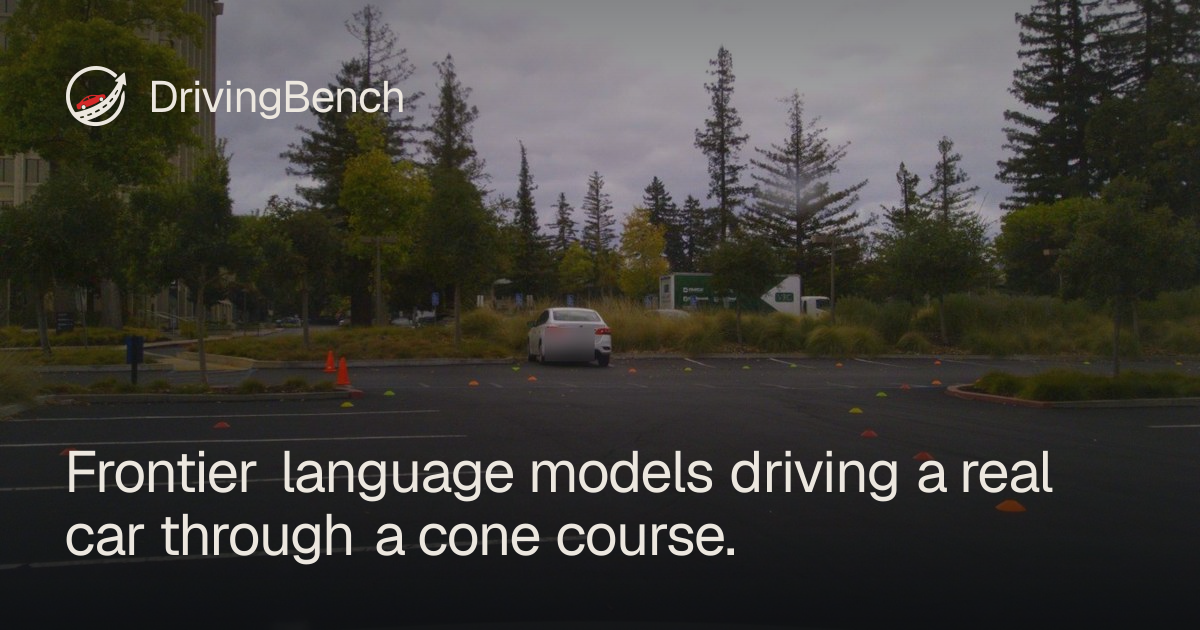
The one-command-at-a-time format makes the interaction easy to understand. Each instruction produces the next part of the drive, while the cone course provides a physical route for the vehicle to follow. The human supervisor is part of the setup described for the test.
This demo is worth opening because it places model-directed behavior in a real vehicle rather than a simulated road scene. It does not report an Astra score or comparison result, so its value here is seeing the form of the benchmark and the physical task it presents.
Which GPT-6 Astra Demo Should You Try First?
Choose according to what you want to examine. The morning paper game is the clearest starting point for a complete browser game. The device collection fits searches about generated imagery and themed websites. The video tool and map projection demo are better choices for interactive visualization, while the Gemini client addresses live voice interfaces.
The knight, zombie, and drawing games offer three different interaction loops. The Houdini project is the direct choice for procedural 3D work, and DrivingBench covers model-directed activity in a real vehicle.
Early demos cannot show everything a model can do. These examples already establish a practical range, including games, collection sites, visual explanations, media exploration, voice interfaces, procedural assets, and physical driving tests.